

Trade the world's energy markets.
Access Brent and WTI crude oil CFDs through MetaTrader 4.
Brent & WTI Crude Oil
Brent and WTI are the world's two primary crude oil benchmarks. Both are quoted in USD per barrel and accessible as CFDs — speculate on price movements without physical delivery.
Brent Crude is extracted from the North Sea and serves as the global oil pricing benchmark. It represents over two-thirds of internationally traded crude oil contracts. Brent is the reference price for oil produced in Europe, Africa, and the Middle East.
West Texas Intermediate (WTI) is the primary North American crude oil benchmark, traded on the NYMEX. It is lighter and sweeter than Brent, extracted from US shale basins.
Crude Oil CFD Conditions
| Instrument | Type | Spread From | Leverage | Min Size | Quote |
|---|---|---|---|---|---|
| Brent Crude (XBRENT) | Crude Oil CFD | 3 pts | 1:100 | 0.01 lots | USD/barrel |
| WTI Crude (XWTI) | Crude Oil CFD | 3 pts | 1:100 | 0.01 lots | USD/barrel |
Brent vs WTI: Key Differences
Both benchmarks track crude oil price but differ in origin, quality, and regional sensitivity. Knowing the difference helps with instrument selection.
| Characteristic | Brent Crude | WTI Crude |
|---|---|---|
| Origin | North Sea (UK, Norway) | Texas, Permian Basin, USA |
| Global Usage | ~65% of world oil priced on Brent | Primarily North American reference |
| Oil Grade | Light sweet crude | Light sweet crude (slightly lighter) |
| API Gravity | ~38° | ~39.6° |
| Sulfur Content | ~0.37% (sweet) | ~0.24% (very sweet) |
| Typical Premium/Discount | Usually trades at premium to WTI | Usually at slight discount to Brent |
| Key Sensitivity | Middle East geopolitics, OPEC decisions | US rig count, EIA inventories, USD |
| Exchange | ICE Futures Europe | CME / NYMEX |
What Drives Oil Prices?
Crude oil prices are among the most geopolitically sensitive in financial markets. Multiple macro and supply factors interact to drive direction.
OPEC+ Production Quotas
OPEC+ member countries collectively manage global supply. Production cut or increase decisions have immediate and direct impact on crude oil prices.
US EIA Inventory Reports
Weekly US crude oil inventory data (published every Wednesday) is one of the most closely watched short-term price catalysts for WTI and Brent.
Geopolitical Risk
Conflicts, sanctions, and political instability in major oil-producing regions (Middle East, Russia) create supply disruption concerns and price spikes.
USD Correlation
Oil is priced in US Dollars globally. A stronger USD reduces purchasing power for non-USD buyers, typically creating downward pressure on oil prices.
Global Demand Outlook
Economic growth data from China (world's largest oil importer) and the US directly influences energy demand projections and price direction.
Seasonal Demand Cycles
Driving season (US summer), heating oil demand (winter), and refinery maintenance cycles create predictable seasonal patterns in energy markets.
Key Oil Market Events
These recurring events regularly create significant volatility in oil prices. Traders use them as anchors for scheduling positions and managing risk around data releases.
Most closely watched US oil supply data. Large inventory builds typically weigh on WTI prices.
Production quota decisions. Surprise cuts are generally bullish; increases bearish for oil.
Private sector estimate, released night before EIA. Provides early directional signal.
Indicator of US production activity. Rising rig count may signal future supply increases.
Crude oil import volumes from China reflect demand trends from the world's largest importer.
Strong jobs data suggests economic growth and higher energy demand; weak data implies lower demand.
Energy commodity prices are highly volatile and sensitive to geopolitical events, OPEC+ decisions, and macroeconomic data.
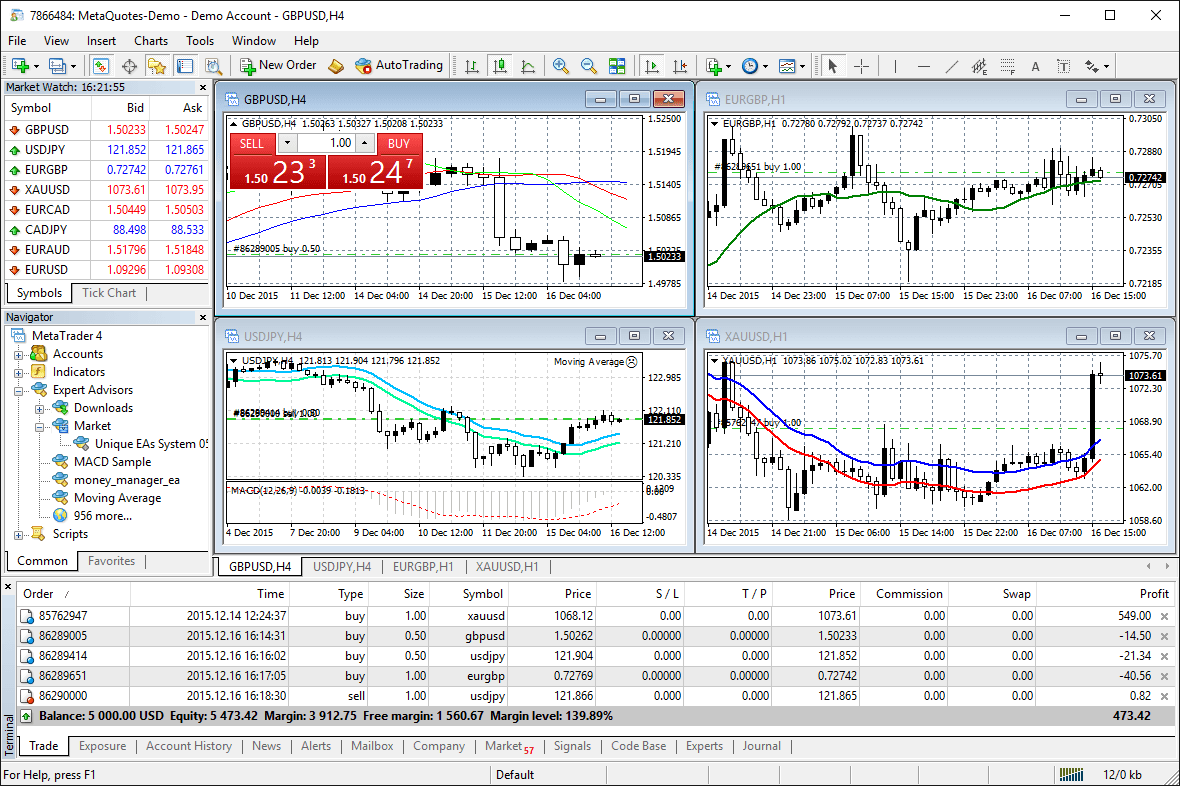
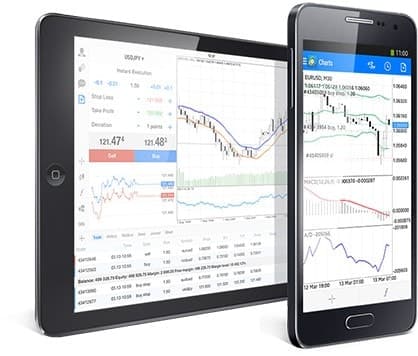
Trade Energies on MetaTrader 4
Advanced charting, technical indicators, Expert Advisors and multiple order types — on desktop, web and mobile.
Energy Trading FAQs

Trade Crude Oil with Olla Trade
Access Brent and WTI crude oil CFDs with professional conditions — no physical delivery required.
Trading involves risk. Read our Risk Disclosures before trading.