

Trade the world's leading indices.
Access major US, European and Asian equity indices from one Olla Trade account.
Major Global Indices
Each index tracks a specific basket of stocks and reflects the performance of a market, economy, or sector. Trading index CFDs gives you exposure without purchasing individual shares.
US30 — Dow Jones
The oldest US index, tracking 30 blue-chip companies. Despite its smaller basket, it remains one of the world's most widely followed market indicators.
NAS100 — Nasdaq 100
Technology-heavy index covering companies like Apple, Microsoft, Amazon, Nvidia, and Meta. Highly sensitive to interest rates and tech sector performance.
SPX500 — S&P 500
The broadest US benchmark — 500 companies spanning all sectors. Widely regarded as the definitive gauge of US equity market performance.
DAX40
Germany's flagship index. Key European market indicator. Sensitive to EUR/USD, global trade conditions, and European Central Bank policy.
FTSE100
The UK's benchmark index. Internationally exposed — many components earn revenues globally, making it sensitive to GBP strength and commodity prices.
NASDAQ
Broader than NAS100, covering all Nasdaq listings. Reflects the performance of the entire Nasdaq exchange — tech-heavy but more diversified.
Index CFD Trading Conditions
| Index | Region | Spread From | Leverage | Min Size | Hours |
|---|---|---|---|---|---|
| US30 (Dow Jones) | USA | 1 pt | 1:100 | 0.01 lots | US hours |
| NASDAQ | USA | 1 pt | 1:100 | 0.01 lots | US hours |
| SPX500 (S&P 500) | USA | 1 pt | 1:100 | 0.01 lots | US hours |
| DAX40 | Germany | 2 pts | 1:100 | 0.01 lots | EU hours |
| FTSE100 | UK | 1 pt | 1:100 | 0.01 lots | UK hours |
| NAS100 (Nasdaq 100) | USA | 1 pt | 1:100 | 0.01 lots | US hours |
Index CFD prices are derived from the underlying exchange. Trading hours follow primary exchange sessions. Spreads may widen at open/close.

One global indices market
What Moves Stock Indices?
Index prices are driven by a combination of macroeconomic data, corporate performance, central bank policy, and global risk sentiment.
Central Bank Policy
Interest rate decisions from the Fed, ECB, and BoE directly affect equity valuations. Rate cuts are generally bullish for indices; rate hikes can weigh on equities.
Corporate Earnings
Quarterly earnings seasons drive significant index moves. Beats vs expectations from major index components can cause sharp directional moves.
Economic Data Releases
GDP growth, employment figures, and manufacturing PMI data reflect economic health and directly influence equity market sentiment.
Geopolitical Events
Trade wars, military conflicts, and political instability create risk-off sentiment, typically pressuring equity indices lower.
Currency Movements
A weaker domestic currency often benefits export-heavy indices (DAX, FTSE). Currency strength can weigh on internationally-exposed companies.
Commodity Prices
Energy and materials prices significantly impact commodity-heavy indices like the FTSE100. Oil price moves affect energy sector weighting substantially.
Index CFDs vs ETFs — Key Differences
Both products track index performance, but with important structural differences for active traders.
| Feature | Index CFD (Olla Trade) | Index ETF |
|---|---|---|
| Ownership | No ownership — price speculation | You own ETF units |
| Short Selling | Supported natively | Requires borrowing shares |
| Leverage | Up to 1:100 | Typically none (unless leveraged ETF) |
| Commission | Spread-based, no commissions | Brokerage commission applies |
| Minimum Capital | From $10 (micro lots) | Full share price |
| Overnight Cost | Swap/rollover applies | No overnight cost |
| Platform | MetaTrader 4 | Exchange or stock broker app |
Why Trade Indices?
Index CFDs offer broad market exposure with built-in diversification and the ability to trade in both directions.
Broad Market Exposure
Trade the performance of entire economies or sectors with a single instrument — no need to analyse individual stocks.
Event-Driven Moves
Earnings seasons, central bank decisions, and geopolitical events create significant index volatility and trading opportunity.
Long or Short
Go long if you expect markets to rise, or short if you anticipate a market downturn — full directional flexibility.
Good Liquidity
Major indices are among the most liquid instruments during their primary sessions — tight spreads and fast fills.
Leverage Available
Access index positions with up to 1:100 leverage — control larger positions with a fraction of full capital.
Transparent Pricing
Index prices are derived from the weighted basket of underlying stocks — fully transparent and trackable.
Index CFD trading involves risk of loss. Leverage amplifies both gains and losses. Markets may gap on open, particularly after weekend closures or major overnight events.
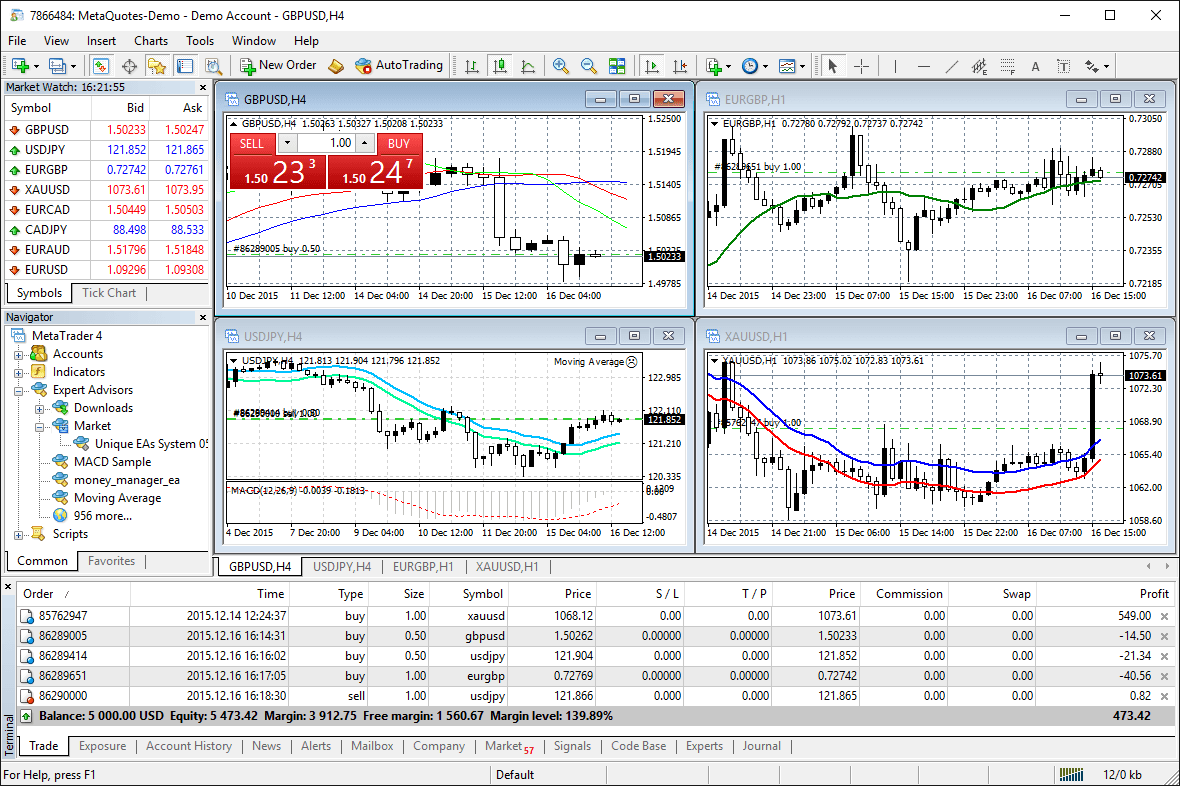
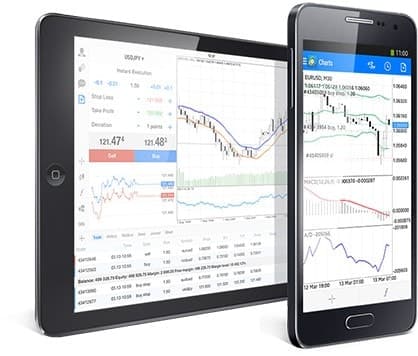
Trade Indices on MetaTrader 4
Advanced charting, technical indicators, Expert Advisors and multiple order types — on desktop, web and mobile.
Indices Trading FAQs
Trade Global Indices with Olla Trade
Open your account and speculate on US, European, and Asian stock market indices with competitive spreads.
Trading involves risk. Read our Risk Disclosures before trading.